
"Where do I start – without wanting everything at once?"
You need clarity: What makes sense, what comes first – and what lasts during operation?
IT operations: Strategic planning and efficient support from a single source. We offer more than just troubleshooting. Our IT operations management combines rapid support with strategic IT advice to keep your infrastructure stable and secure in the long term. Rely on project-independent expertise when planning, implementing and maintaining your entire IT environment.
We start with your initial situation – not with a standard offer. This creates a roadmap that fits your pace, your risks and your operations.
The story behind it
Support becomes better when processes, knowledge and KPIs work together.
If the service desk only puts out fires. Users wait for answers, tickets pile up without a clear priority, and knowledge is stuck in people's heads instead of in a usable knowledge base. Escalations take too long – even though the same issues keep cropping up.
Adiumento approach: We structure service desk, incident and problem management with ticketing, self-service, SLAs and KPIs - and continuously improve based on measurable reviews.
→ Result: Result: Support that reacts in a planned manner - with happier users and transparent quality for the IT management.
What’s in it for you?
Services
IT support, strategy consulting and stable maintenance.
01
Fast and efficient IT support
Direct support via Microsoft Teams, telephone and on-site services for fast response times.
02
Long-term IT strategy consulting
Development of an IT roadmap and ongoing optimisation to ensure your future viability.
03
Stable maintenance
Proactive maintenance that prevents failures instead of just reacting.
04
Helpdesk (via partner)
Responsive and flexible user support across 1st, 2nd and 3rd levels – IT emergency management and know-how transfer included.
Services
Services
Typical building blocks – combined into a setup that fits your size and maturity level.
Service Desk
We structure 1st/2nd level support, responsibilities and handovers so that concerns are processed in a comprehensible manner. The goal is clear paths, less friction and better transparency for users and those responsible.
Incident & Problem
We differentiate between quick troubleshooting and sustained root cause analysis. In this way, incidents are solved in a structured manner and recurring problems are not permanently treated as isolated cases.
Tooling
We align ticketing, knowledge base and monitoring so that support processes become measurable and controllable. This results in better handovers, comprehensible decisions and less loss of information.
In Focus
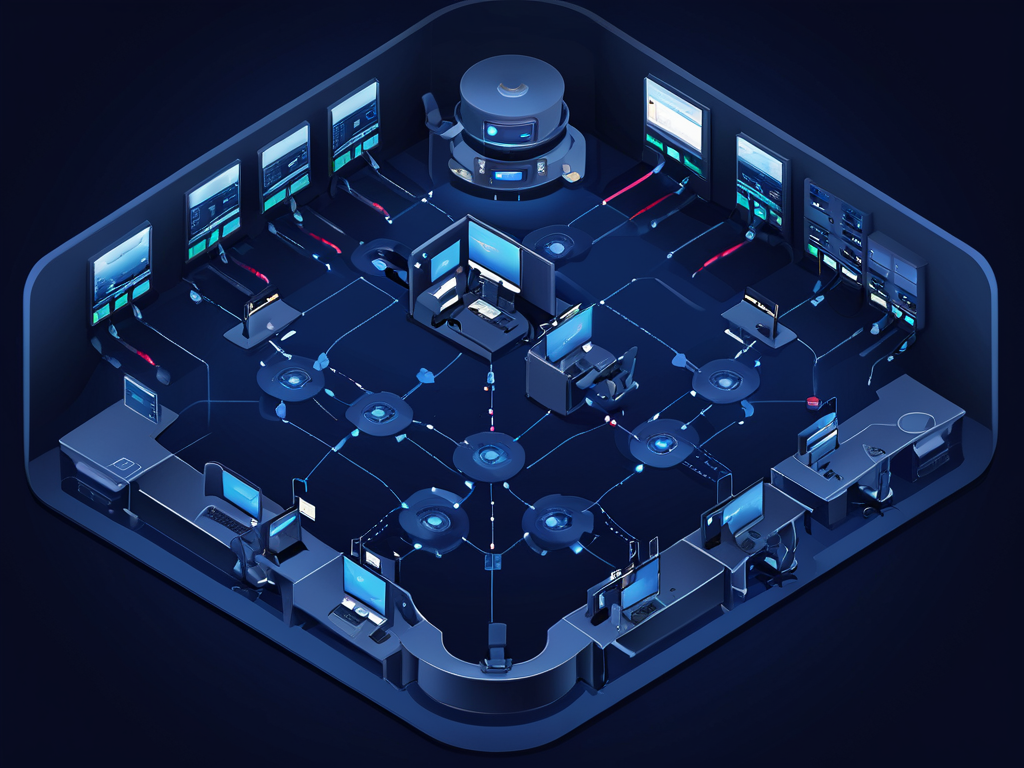
- Service Desk
- Incident & Problem
- Tooling
What you get in concrete terms
No slides with no effect – but artifacts that your team and auditors can understand.
Onboarding & Transition Plan
Structured takeover of support processes, tickets, roles, escalation paths and knowledge base. This makes the start of operations easier to plan and understandable for users.
SLA/KPI setup (Reports & Reviews)
Definition of service times, response paths, ticket categories, KPIs and regular reviews. This makes support measurable, controllable and more transparent for management and departments.
Runbooks & escalation paths
Runbooks for common requests, incidents, escalations, and handoffs between support levels. The aim is consistent processing, less loss of information and faster clarification.
Backlog for improvements/expansions
Prioritised improvement backlog of ticket patterns, recurring issues and user feedback. In this way, support is not only processed, but also continuously improved.
Technologies & tools
We typically use these modules in combination – tailored to architecture, compliance and your ongoing operations.

Ticketing
Structured processing with SLAs and tracking.

Knowledge Base
Knowledge for support and operations – kept up to date.

SLA & KPIs
Measurable service levels for IT and departments.

Remote Support
Fast help without unnecessary interruptions.

Monitoring
Early warning, capacity and stability in operation.

IT automation
Repeatable tasks – less manual effort.
We prioritise operational tools based on stability, transparency, escalation paths and serviceability - not as a loose list of tools.
Typical examples
This is what it looks like in comparable environments – concrete, comprehensible and transferable to the company.
01
Structure tickets
Define categories, priorities and escalation levels so that concerns are processed comprehensibly.
02
Relieve self-service
Build a knowledge base for recurring topics and solve simple concerns directly.
03
Measure support KPIs
Make first response, resolution and satisfaction transparent and evaluate them regularly.
04
Standardize onboarding/offboarding
Handle recurring processes for users and devices consistently and documented.
MiniCase: Service Desk Setup
A typical approach when support is reactive and tickets pile up without a clear priority.
Background
Unstructured support
Inquiries come via different channels, priorities are missing and knowledge is in individual minds.
Action
Set up a service desk
Ticket categories, knowledge base, KPIs and escalation paths are introduced and coordinated with users.
Results
Transparent support with reviews
Regular evaluations and improvements make quality visible to IT management and users.
Approach
-
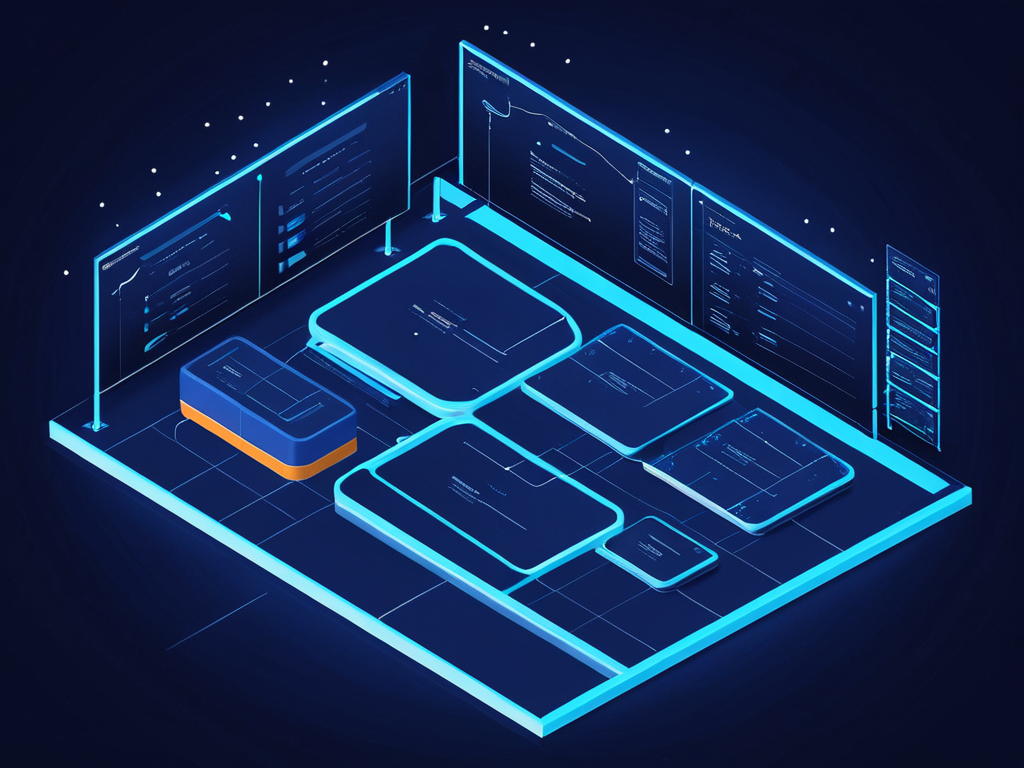
01
Onboarding
Takeover structured.
-
02
Operations
SLA supported service.
-
03
Reporting
Reviews and KPIs.
-
04
Optimise
Continuous improvement.