

"Where do I start – without wanting everything at once?"
You need clarity: What makes sense, what comes first – and what lasts during operation?
Proactive defense: Protect endpoints and the entire cloud infrastructure. Protect the front lines of your IT. With state-of-the-art endpoint detection and response (EDR) solutions and intelligent Cloud Security Posture Management (CSPM), we defend against threats such as ransomware, malware and phishing.
Ensure end-to-end protection. Rely on modern EDR and CSPM solutions.
The story behind it
Protection does not come from individual products, but rather from interaction.
Endpoint protection, cloud security, identity and device management are often considered separately. This creates gaps: devices are protected but not compliant; Cloud apps are visible but not controlled; Alerts arise, but no one knows which process takes effect.
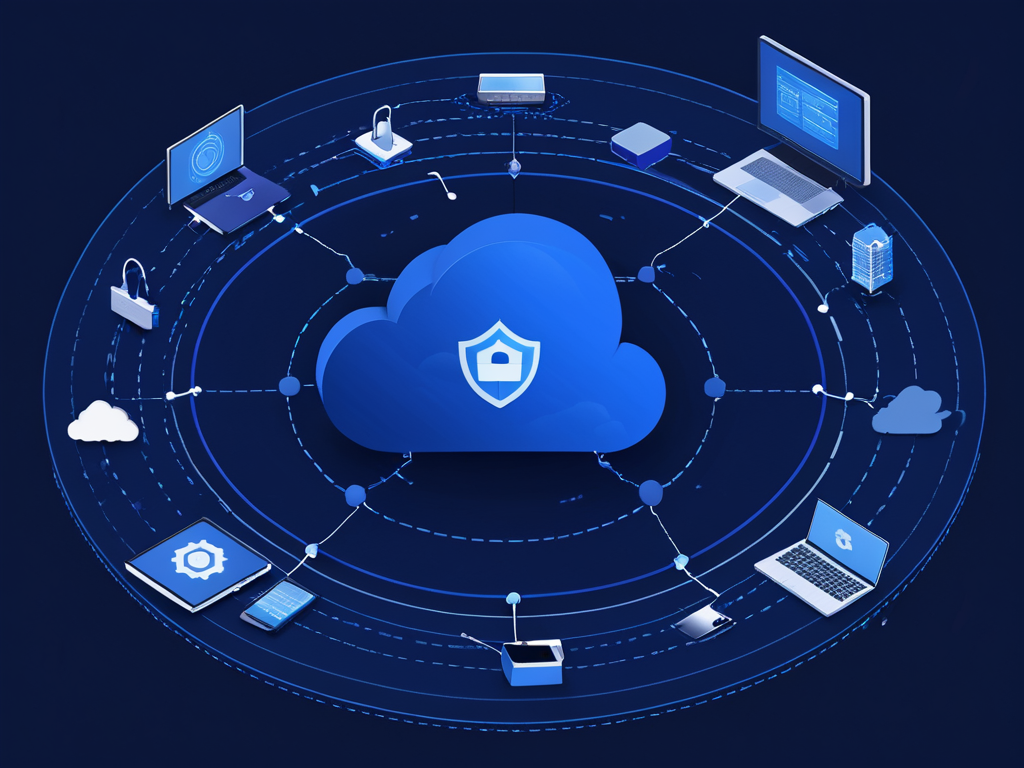
Adiumento approach: We combine Defender, Microsoft Intune, Microsoft Entra ID and cloud policies into a protection model that reduces risks and remains operationally traceable.
→ Result: A coordinated security setup for devices, identities and cloud services – with clear controls and response paths.
What’s in it for you?
Services
EDR, CSPM and SIEM integration for end-to-end protection.
01
Microsoft Defender for Endpoint
Implementation and management of Microsoft's leading EDR solution for comprehensive protection of workstations and servers.
02
Cloud Security Posture Management (CSPM)
Continuously monitor and correct misconfigurations in your Azure and AWS cloud infrastructures to prevent security vulnerabilities.
03
SIEM integration
Centrally capture and analyse security events through Security Information and Event Management (SIEM) integration for real-time monitoring and rapid action.
Services
Services
Typical building blocks – combined into a setup that fits your size and maturity level.
Defender & Microsoft Intune
We connect Defender, Microsoft Intune and Microsoft Entra ID into a manageable protection model for devices and cloud access. This means that detection, hardening, compliance and access protection in the Microsoft stack are better integrated.
Policies
We develop concrete hardening, compliance and access policies for devices, users and cloud services. We pay attention to piloting, exceptions, traceability and operation without unnecessary friction.
SOC integration
We examine how alerts, logs and findings are transferred into existing SOC, SIEM or operational processes. The aim is to have clear escalation paths, usable signals and fewer unexplained security events.
In Focus
- Defender & Microsoft Intune
- Policies
- SOC integration
What you get in concrete terms
No slides with no effect – but artifacts that your team and auditors can understand.
Security and maturity assessment
Structured current status of endpoint protection, cloud access, Defender, Microsoft Intune and Microsoft Entra ID. The assessment shows where devices, identities and cloud services already work together and where protection gaps exist.
Policy set (CA, baselines, hardening)
Specific policies for Defender, Microsoft Intune, device compliance, hardening, conditional access, and exception handling. The policy set is reviewable and prepared for piloting and rollout.
Action plan incl. Quick wins
Prioritise actions for endpoint and cloud protection with quick wins, effort/benefit and 30/60/90 day roadmap. In this way, critical gaps can be closed in a targeted manner.
Reporting for Management & Audit
Management summary and technical appendix with risks, measures, progress and open decisions. This makes security findings understandable for IT, management and auditors.
Technologies & tools
We typically use these modules in combination – tailored to architecture, compliance and your ongoing operations.

Microsoft Defender
Multi-layered protection for endpoints, email, identity, and cloud apps.

Microsoft Intune
Device management, baselines, and compliance policies.

- Azure Policy
Governance and compliance in Azure resources.

Microsoft Entra Conditional Access
Logon, Device and Risk Policies.

Monitoring
Early warning, capacity and stability in operation.

Runbooks
Repeatable processes for operation and incident response.
We prioritise security components based on risk, verifiability and operability - not as a loose list of tools.
Typical examples
This is what it looks like in comparable environments – concrete, comprehensible and transferable to the company.
01
Unify device baselines
Secure Windows and macOS clients with compliance guidelines and control them comprehensibly during operation.
02
Define cloud defaults
Establish a policy set for secure default configurations in Microsoft 365 and Azure.
03
Structure incident response
Define escalation paths and response processes so that critical incidents are processed more quickly.
04
Use monitoring for reviews
Ongoing evaluations create transparency about the protection status and open measures.
Mini case: baselines + response
A typical approach when endpoint and cloud protection are considered separately and gaps arise.
Background
Fragmented protection
Defender, Microsoft Intune and cloud policies are partially present, but baselines, response and monitoring do not work together.
Action
Connect protection model
Device baselines, cloud policy set and incident response are aligned and introduced with clear escalation paths.
Results
Controllable overall protection
Monitoring and review rhythms make progress visible and keep operational measures traceable.

Approach
-
01
Test
Recognise risks and maturity level.
-
02
Concept
Policies and Architecture.
-
03
Implementation
Hardening and rollout.
-
04
Operations
Monitoring and audits.